News Tanks (International)
In a major crackdown on Iran’s illicit oil trade, the U.S. Department of the Treasury’s Office of Foreign Assets Control (OFAC) has imposed new sanctions targeting a vast international network involved in the transport and purchase of Iranian oil worth billions of dollars. The revenue from this trade is believed to benefit the Islamic Revolutionary Guard Corps–Quds Force (IRGC-QF), a designated Foreign Terrorist Organization.
Iraqi-British Businessman Salim Ahmed Said at the Center
The sanctions specifically target a network operated by Iraqi-British businessman Salim Ahmed Said, who, since at least 2020, has been smuggling Iranian oil by disguising it as Iraqi crude.
Said’s operation reportedly relies on ship-to-ship transfers, blending techniques, and forged documentation to obscure the origin of the oil.
According to OFAC, a portion of the profits generated from this smuggling activity supports IRGC-QF, which is heavily involved in regional militant operations.
Part of Trump’s ‘Maximum Pressure’ Strategy
U.S. Treasury Secretary Scott Besent commented:
As President Trump has made clear, Iran’s behavior has left it isolated. While the regime has had every opportunity to choose peace, it continues to embrace extremism. The Treasury will continue targeting Tehran’s revenue sources and intensifying economic pressure to disrupt the regime’s ability to fund destabilizing activities.”
These sanctions represent the eighth round of measures targeting Iran’s oil trade since President Trump issued National Security Presidential Memorandum 2, which initiated the “maximum pressure” campaign against Iran.
The move also comes shortly after President Trump ordered airstrikes on Iranian nuclear facilities and hinted at a possible easing of export inspections — a shift some viewed as a softening of U.S. foreign policy.
Iran’s “Shadow Fleet” Under Fire
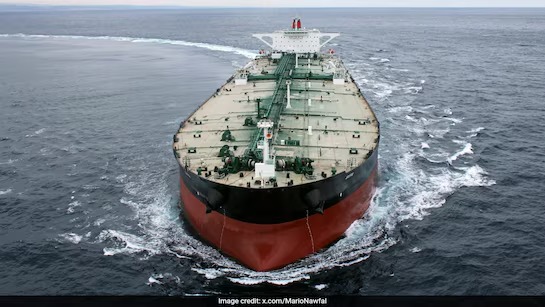
OFAC has also blacklisted several vessels that are part of Iran’s so-called “shadow fleet”, which secretly delivers Iranian petroleum by relying on ship-to-ship transfers and using non-sanctioned vessels to move oil before selling it to buyers in Asia.
Among the sanctioned vessels are:
Vijouri (Cameroon-flagged)
Fotis (Comoros-flagged)
Themis and Bianca Joycel (Panama-flagged)
Together, these ships have transported millions of barrels of Iranian oil worth billions of dollars.
Asset Freezes and Transaction Bans
Under these sanctions, all U.S.-based assets of designated entities are frozen, and any transactions involving U.S. persons or institutions are strictly prohibited.
Violations may result in civil or criminal penalties for both American and foreign individuals or entities.
U.S. State Department Weighs In
The U.S. State Department has also designated six entities for knowingly engaging in significant transactions involving Iranian petroleum and has identified four additional vessels associated with the network.